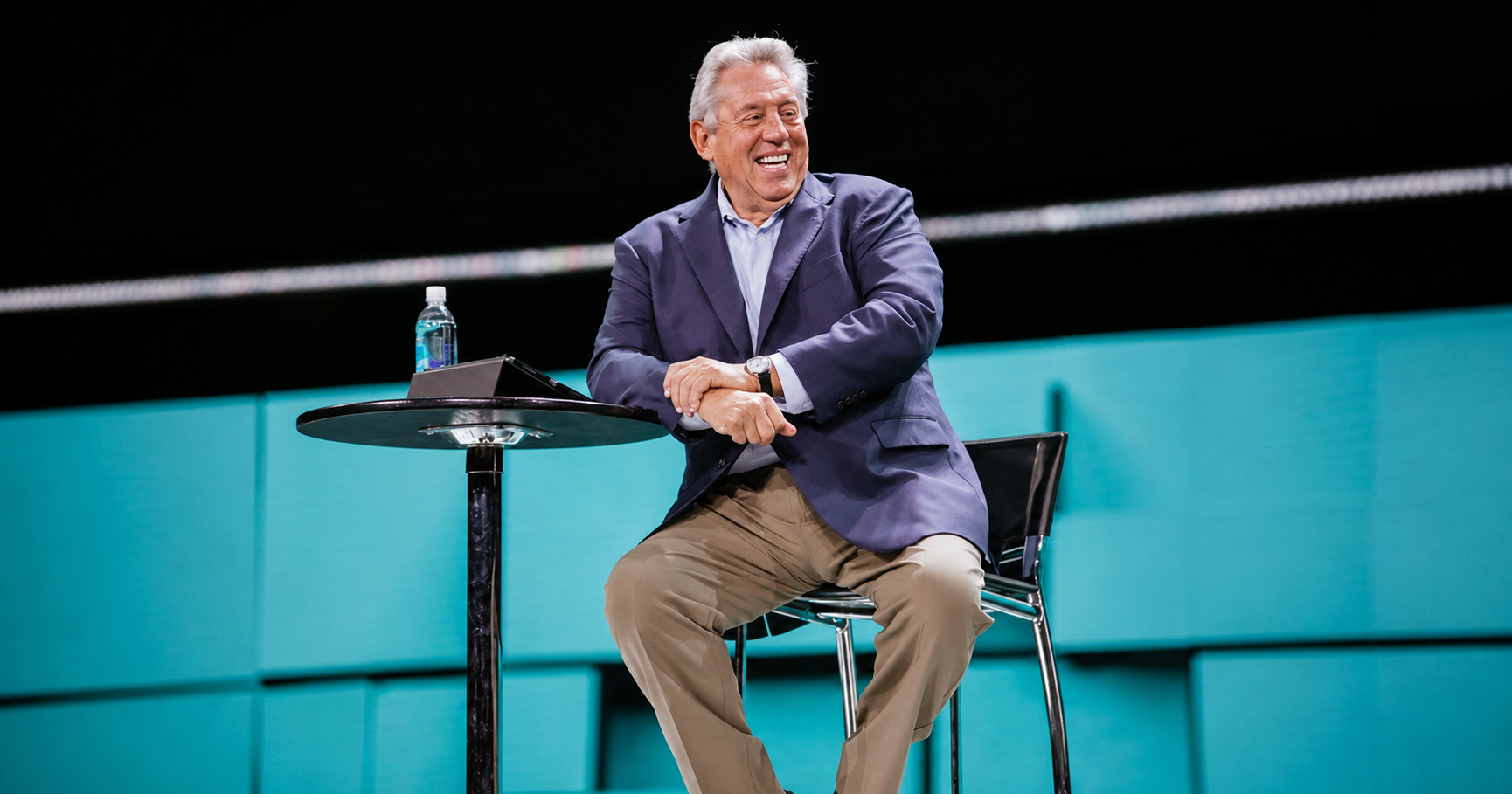
“Know yourself to grow yourself.”
— JOHN C. MAXWELL —
Walk into almost any organization, classroom, or family, and you’ll hear the same complaint: there aren’t enough leaders. Not enough vision. Not enough accountability. Not enough people are willing to stand in the gap. The shelves are full of leadership books, the seminars are full of leadership frameworks, and still, leaders remain scarce.
The reason is simpler than most are willing to admit. Leadership isn’t a scarcity problem. It’s a self-leadership problem.
Who Is a Leader?
Strip away the titles, the organizational charts, and all other office titles, and leadership is reduced to one thing: influence built on trust. A leader isn’t the person with the loudest voice or the highest rank. A leader is the person whose private conduct matches their public claims, someone who can be followed not because they demand it, but because their life has earned it.
By that definition, leadership is available to anyone. It doesn’t require permission. It requires character. And character is built, or neglected, long before anyone is watching.
Position, without self-leadership, produces authority that people obey only while the title remains. Self-leadership, without position, produces influence that people choose to follow and keep following.
Awareness: Where the Gap Actually Lives
Most people search for leadership outwardly. They are looking for a better system, better titles, better circumstances. But the gap rarely lives there. It lives inward, in the unexamined self of you and me.
“Know yourself to grow yourself.”
A person who has never honestly examined their own patterns, fears, blind spots, and motives cannot lead others through complexity, because they haven’t yet learned to lead themselves through it. The absence of leaders in homes, teams, and communities isn’t a talent shortage. It’s a self-awareness shortage.
The Action Required
Self-leadership isn’t abstract. It’s built through specific, repeatable practices:
- A values audit: naming, in writing, the non-negotiables that govern your decisions, so they exist before the pressure does.
- Daily reflection: a short, honest review of where your actions matched your stated values and where they didn’t.
- Accountability: a mentor, coach, or trusted circle authorized to tell you the truth about yourself.
These aren’t motivational exercises. They’re the mechanics of becoming someone capable of being followed.
The Result of Pursuing This
When self-leadership is pursued in earnest, something shifts that no title can manufacture: consistency. People stop wondering who you’ll be on a hard day. Trust compounds because your conduct stops needing explanation. Influence widens not because you sought it, but because it became the natural byproduct of a life under your own command.
This is the leader the world claims to be short of. They were never missing. They were simply never built. Value-Based Leadership: The Worth
If leadership had to be reduced to a single sentence, it would be this:
“Leadership is who before it’s work.”
Value-based leadership means the worth of a leader is measured by what doesn’t change under pressure, what stays fixed when the room is empty, the title is gone, and no one is keeping score. That fixed point, more than any strategy or skill, is what people are actually following.
The result of this kind of leadership is durability. Teams, families, and communities built on value-based leadership don’t collapse when circumstances shift, because the foundation was never the circumstance. It was the character beneath it.
If you would like to go deeper, take a look at these resources:
- The 21 Irrefutable Laws of Leadership by John C. Maxwell: the clearest articulation of leadership as influence, not position, and a natural next step from this piece.
- A daily values-audit journal: Even five minutes a day spent comparing actions to stated values builds the self-awareness Maxwell’s quote demands.
- A structured coaching relationship: self-leadership is hard to see clearly alone; a coach provides the outside mirror that accelerates the work. Like to know what’s next?
This is the first piece in a larger conversation about what it actually takes to lead, starting with the self and extending outward into family, work, and community. If this raised more questions than it answered, that’s the point. Self-leadership isn’t a one-time insight; it’s an ongoing practice.
Ready to build the self-leadership your circumstances are waiting for?
Start the work of becoming a leader worth following, beginning with the one person you’ve never fully led: yourself.
